

Assess equipment and failure risk in an electrical reliability improvement plan
An unplanned outage costs more than the repair bill. Its full impact depends on how long service is disrupted, which equipment and operations are…


An unplanned outage costs more than the repair bill. Its full impact depends on how long service is disrupted, which equipment and operations are…
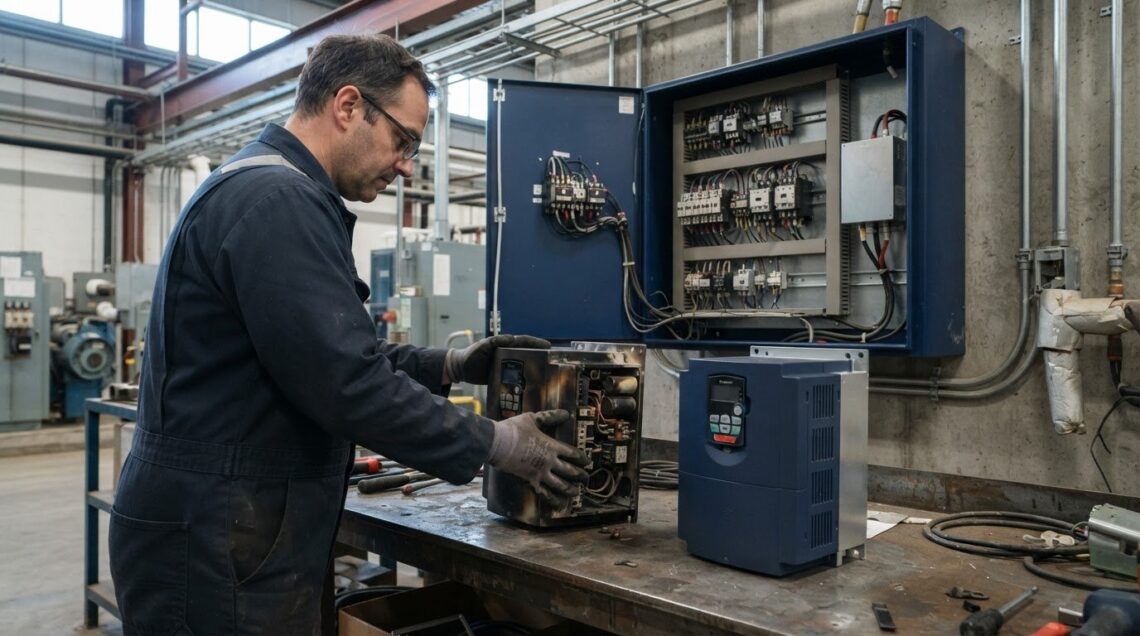

Replacement isn’t automatically the costlier choice. The cost of replacing surge-damaged equipment is best weighed against the repair estimate: for…
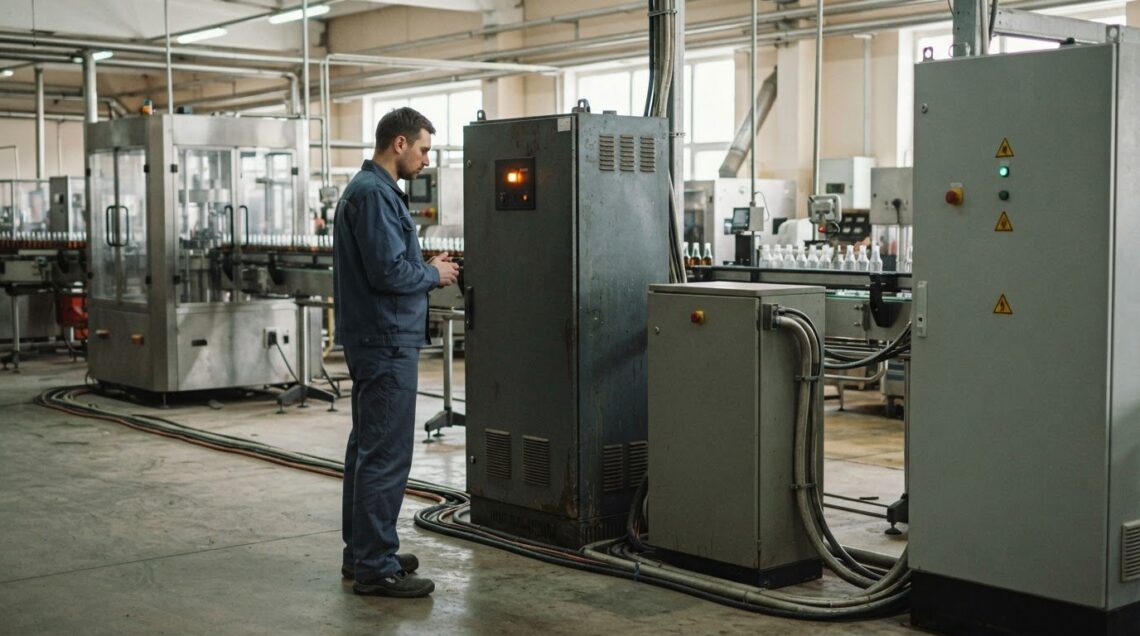

A UPS alarm usually points to battery degradation, an inverter or rectifier fault, or another operating problem such as an overload or short circuit….
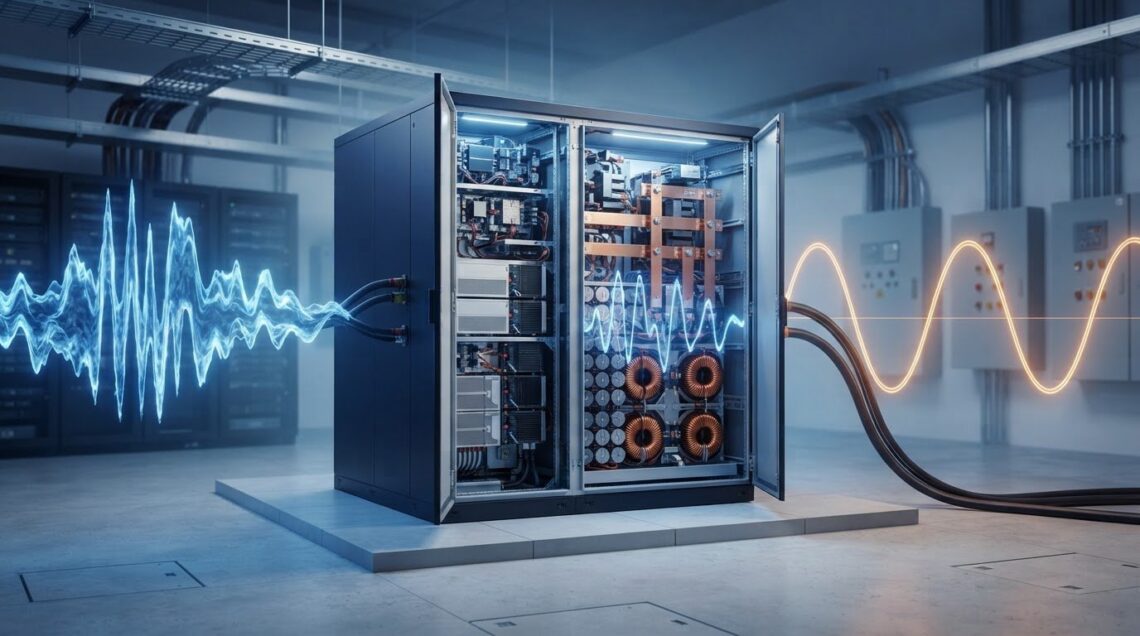

A UPS can protect critical equipment and still contribute to a distorted waveform. Harmonics are frequency components at multiples of the electrical…
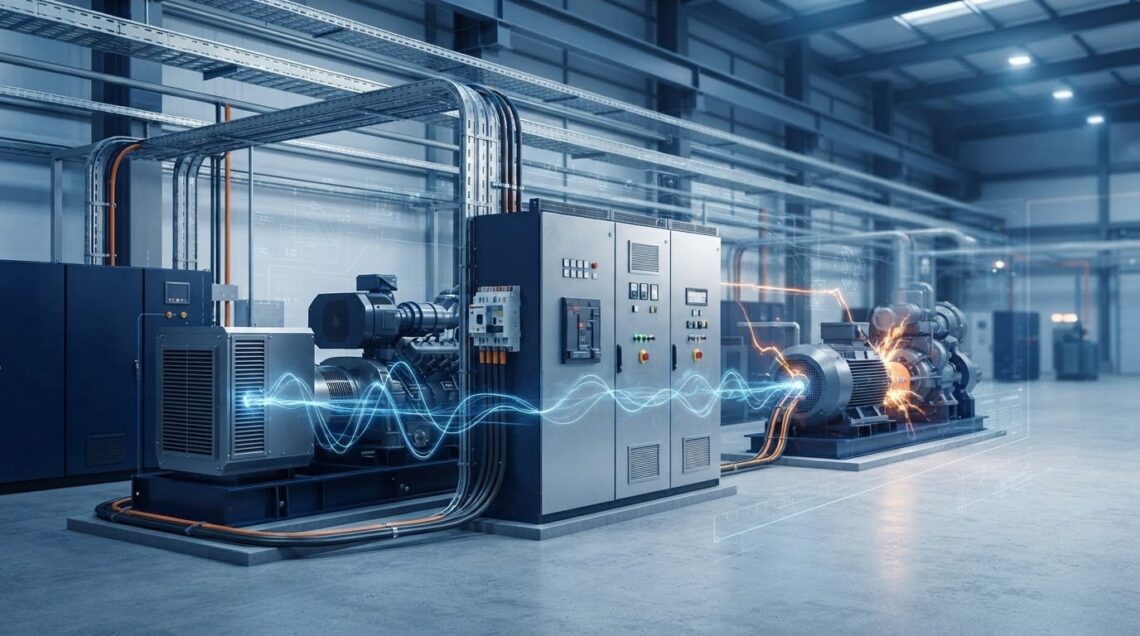

A generator’s required apparent-power capacity is the facility’s real load divided by its power factor: for example, a 400 kW load at a 0.80 power…


A power fluctuation lasting only seconds can put an entire semiconductor production batch at risk. Preventing power-related downtime in manufacturing…


A brief voltage fluctuation or rising harmonic distortion may be worth investigating before it disrupts a shift. Electrical disturbances can be…

What if the UPS at your remote site isn’t addressing the power problem most likely to disrupt your servers? At lightly staffed edge locations,…


Your facility can’t stabilize the electrical grid, but it can strengthen protection at the point of use. NERC’s 2025 Long-Term Reliability Assessment…