

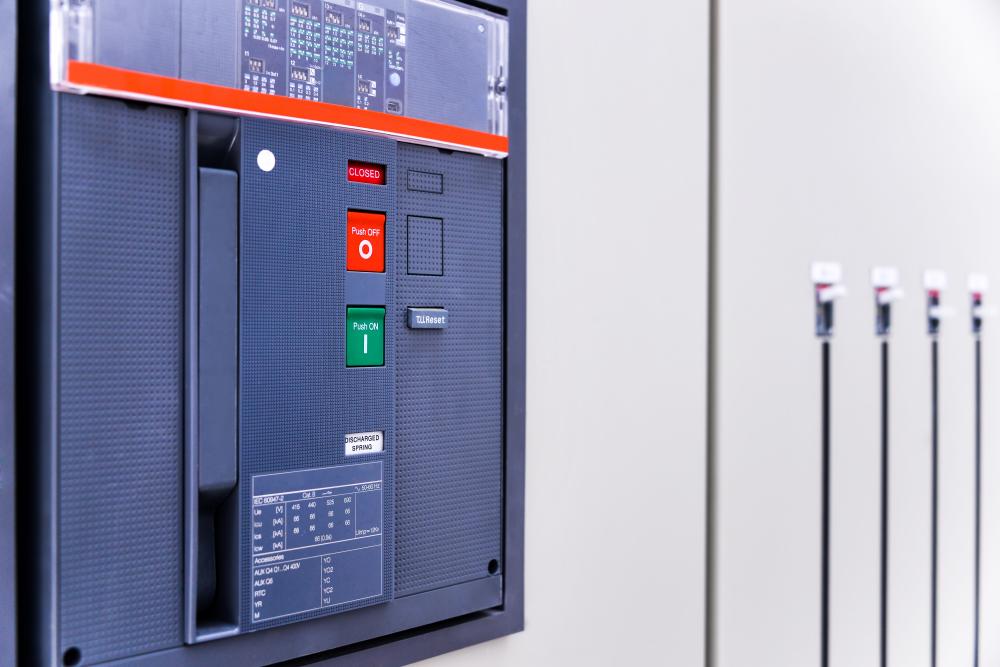
Core Components of Critical Power Protection Systems
Critical Power Protection Systems are indispensable in a world where businesses depend on uninterrupted electricity to run operations effectively. These systems are comprised of key technologies like Uninterruptible Power Supplies (UPS), generators, and Automatic Transfer Switches (ATS). Each component plays a vital role in ensuring continuous power flow during outages.
A UPS is the first line of defense, offering immediate backup power when the primary source fails. These systems prevent data loss and downtime by providing short-term power until a generator can take over. Options range from standby to line-interactive and double-conversion types, each catering to different business needs.
Generators offer long-term solutions, sustaining power during extended outages. Whether powered by diesel or natural gas, they work seamlessly with UPS systems to offer continuous energy supply. ATS units facilitate an uninterrupted power transition, ensuring critical operations remain intact.
Integrating renewable sources? Battery Energy Storage Systems (BESS) efficiently store energy, aiding both sustainability and power reliability goals.
How to Design a Reliable Power System
Designing effective Critical Power Protection Systems involves several key steps to ensure seamless operation. Here’s a breakdown:
- Assess Your Power Needs: Conduct a thorough evaluation of your business’s power demands and load requirements.
- Consider Scalability: Your system should be flexible, allowing easy upgrades as your business grows.
- Evaluate Environmental Conditions: Choose components that can withstand your facility’s environmental conditions.
- Budget Appropriately: Ensure the design aligns with your financial constraints without compromising on quality.
These steps create a blueprint for a resilient power solution that will fortify your operations against unforeseen power disruptions.
Why Are Critical Power Protection Systems Vital?
For many businesses, a power outage isn’t just an inconvenience–it can lead to significant operational and financial impacts. As a professional with over two decades in the industry, I can attest to the domino effect a sudden power loss can have on data integrity, safety protocols, and customer satisfaction.
In hospitals, for instance, power failure could jeopardize patient safety by incapacitating life-support machines. In manufacturing plants, downtime can disrupt entire production lines, resulting in costly delays. By implementing robust Critical Power Protection Systems, these risks are mitigated, ensuring business continuity despite external power challenges.
The Role of Maintenance in Critical Power Systems
Frequent maintenance is crucial for the effectiveness of your Critical Power Protection Systems. Routine checks can prevent failures and prolong equipment lifespan. Industry standards suggest:
- Regular inspection of UPS batteries and generators
- Load testing to ensure capacity is met
- Remote monitoring for real-time performance data
My own experiences show that companies that adhere to regular maintenance schedules encounter fewer unexpected downtimes and enjoy longer equipment life.
What Qualifies as a Critical Power Protection Systems Emergency?
An emergency in Critical Power Protection Systems arises when there is an immediate threat to power continuity, such as a sudden UPS failure without generator backup, risking operational shutdown.
Quick response is imperative to minimize risks, including engaging rapid repair services and rerouting power temporarily. By addressing these emergencies instantly, businesses can prevent significant disruptions and maintain seamless operations.
Exploring New Trends in Power Systems
In the evolving energy landscape, emerging trends in Critical Power Protection Systems highlight the integration of smart technologies and renewable energy. Innovations such as IoT-based monitoring and data analytics improve decision-making by offering insights into power usage patterns and system health.
AI-driven predictive maintenance is another game-changer, allowing for proactive measures before failures occur. Moreover, businesses are increasingly exploring hybrid systems that combine traditional and renewable sources, enhancing both reliability and sustainability.
As someone deeply entrenched in this sector, I see these trends reshaping how we design and operate power systems, promising a more resilient and efficient future.
What does a Critical Power Protection System consist of?
Critical Power Protection Systems are designed to ensure that businesses maintain uninterrupted power supply during outages. These systems typically consist of Uninterruptible Power Supplies (UPS), generators, and Automatic Transfer Switches (ATS). Each element plays a crucial role: the UPS provides immediate backup power, preventing data loss and downtime, while the generator sustains power for longer durations. The ATS ensures a seamless transition between power sources. Imagine a hospital suddenly losing power. The UPS kicks in instantly, keeping essential equipment running until the generator takes over. This setup highlights the importance of each component working harmoniously to keep operations smooth.
How can businesses design a reliable power system?
Designing a reliable power system entails a few key steps starting with a thorough assessment of your current and future power demands. Consider the scalability of your system to adapt as your business grows, and ensure it can withstand environmental conditions specific to your location. Budgeting is another critical aspect. It’s about balancing financial constraints with quality needs. For instance, one of our clients, a rapidly growing tech firm, started with a scalable system that we helped them expand over time to match their evolving needs, maintaining their operational integrity throughout.
Why are Critical Power Protection Systems essential for businesses?
These systems are invaluable because they protect businesses against significant operational and financial impacts from power outages. Without them, industries like healthcare and manufacturing could face detrimental effects. For example, power failure in a hospital could compromise patient safety due to life-support equipment shutdowns. In manufacturing, production halts could lead to costly delays. Implementing such systems mitigates these risks, ensuring continuity. Consider how important it is for a bank’s servers to stay live 24/7 to secure data; a Critical Power Protection System makes this possible, offering peace of mind.
What role does maintenance play in Critical Power Systems?
Maintenance is critical to ensuring that these systems operate effectively. Regular inspections and testing can prevent failures and extend the lifespan of equipment. This involves checking batteries and generators, performing load tests, and using remote monitoring systems. In my experience, businesses that follow a strict maintenance regimen not only reduce unexpected downtimes but also achieve longer equipment life. Think of it like routine car maintenance; without it, you risk breakdowns that could be costly and inconvenient.
What qualifies as an emergency in Critical Power Protection Systems?
An emergency arises when there’s an immediate threat to power continuity–such as a sudden UPS failure without a generator backup. This situation demands quick response to minimize risks like operational shutdowns. Businesses need to engage rapid repair services and reroute power temporarily to maintain operations. Consider a data center facing a sudden power dropout; immediate action is necessary to prevent data loss and service interruptions. How prepared is your business to handle such emergencies?
What are some emerging trends in power systems?
Emerging trends in power systems include the use of smart technologies and renewable energy integrations. IoT-based monitoring and AI-driven predictive maintenance allow for better decision-making and proactive measures. Hybrid systems combining traditional and renewable sources are gaining traction, offering enhanced reliability and sustainability. For instance, businesses integrating battery storage systems with solar panels are not only ensuring power reliability but also aligning with sustainability goals. These trends are transforming how power systems are designed and operated, aiming for a more resilient and efficient future. How might these innovations change the landscape of your business’s power infrastructure?
Resources
- Department of Energy – The official website of the U.S. Department of Energy, providing information on energy policies, research, and initiatives.
- National Fire Protection Association – An organization focused on promoting safety codes and standards, including those related to critical power protection systems.
- IEEE Power & Energy Society – A leading organization in the field of power and energy engineering, offering resources and publications on critical power systems.
- Environmental Protection Agency – The EPA provides information on environmental regulations and guidelines that may impact the design and operation of power systems.
